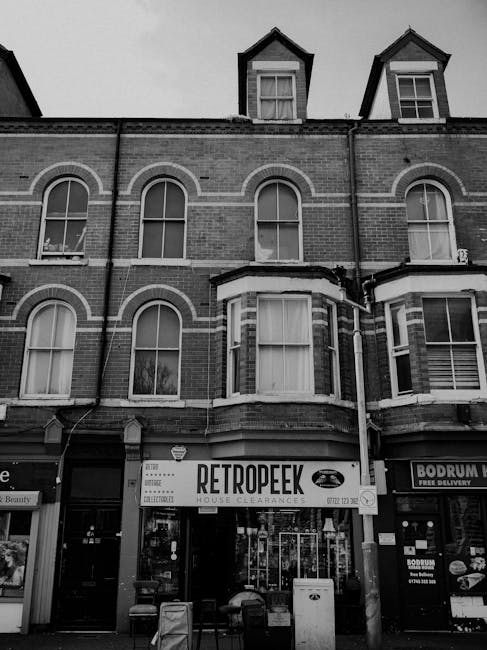
Before and after Kennington house removals Kennington Road: a practical guide for a smoother move
If you are planning Before and after Kennington house removals Kennington Road, you probably want the same thing most people want: less stress, fewer surprises, and a move that actually feels under control. Simple enough to say. Harder to do on moving day, especially on a busy London road where parking, timing, stairs, and tight hallways can all gang up on you at once.
This guide breaks the process into clear, useful steps. You will see what "before and after" really means in a house move, why it matters, how to prepare properly, and what to do once the last box is inside. We will also cover common mistakes, practical tools, and a realistic checklist you can use straight away. Not fancy. Just the stuff that helps.
For readers comparing moving support and local help, it can also make sense to look at broader services such as house removals, especially if you are moving a full household rather than just a few items.
Why Before and after Kennington house removals Kennington Road Matters
A house move is never just about transporting furniture from one address to another. The real work sits in the gaps around it: planning, sorting, packing, protecting floors, labelling boxes, managing access, and making sure the first evening in the new place is not a complete chaos-fest. That is why the before-and-after approach matters so much.
On Kennington Road, those details can matter even more. You may be dealing with narrow entryways, shared stairwells, controlled parking, or neighbours who do not want a van blocking the street for longer than necessary. A move that feels fine on paper can become awkward very quickly if the "before" stage is rushed. And once the van leaves? That is when the "after" stage starts - and many people forget that part entirely.
The before stage is about reducing risk. The after stage is about restoring order. If you skip either one, you often pay for it later in time, damage, or plain old frustration. Truth be told, most moving pain comes from poor preparation rather than the lifting itself.
Expert takeaway: the smoothest moves are rarely the fastest ones. They are the ones where packing, access, timing, and post-move settling are treated as part of the service, not an afterthought.
How Before and after Kennington house removals Kennington Road Works
At its simplest, the process has three stages: preparation before the move, the move itself, and the settling-in period after the move. But to make it genuinely useful, each stage needs a bit more attention.
Before the move
This is where you identify what is moving, what is staying, and what should be packed, sold, donated, recycled, or thrown away. You also measure access. If you have ever tried to angle a wardrobe around a stair turn that looks wider from the bottom than from the top, you will know why this matters.
The "before" stage should also include practical admin: confirming dates, arranging keys, checking parking options, protecting anything fragile, and making sure important documents are not buried in a random box marked "misc." We have all seen that box. It is usually the one nobody wants to open.
During the move
On the day itself, good removals are about rhythm. Items come out in the right order, fragile things are handled properly, and boxes are loaded in a way that makes unloading easier later. If you are using a professional service, clear instructions save time. If you are doing part of it yourself, keep pathways clear and keep one small essentials bag with you.
After the move
The after stage starts the minute the last item is inside the new home. That does not mean the job is finished. It means the priorities change. You need to check for damage, confirm that essential rooms are functional, unpack the basics, and deal with any storage or discarded items that should not stay in the way for weeks.
If you need somewhere safe while you settle in, options like removals and storage can help bridge the gap between moving out and moving in properly.
Key Benefits and Practical Advantages
A well-managed before-and-after moving process gives you more than convenience. It reduces physical strain, protects belongings, and makes the whole day feel less like a fire drill. Here are the main benefits people usually notice.
- Less damage risk: carefully packed and labelled items are less likely to get knocked, crushed, or misplaced.
- Better time control: you spend less time hunting for boxes, keys, or basic household items.
- Lower stress: knowing what happens before and after the move gives the day some structure.
- Smoother access: parking, lift use, hallway protection, and loading order are easier to manage.
- Faster settling-in: essentials can be unpacked first, so the new home becomes usable sooner.
There is also a hidden benefit people do not always talk about: a better move tends to improve the first impression of the new home. When the kettle is available, the bed is assembled, and the bathroom is accessible, the whole place feels calmer. Small thing. Big difference.
| Stage | What good looks like | What goes wrong if skipped |
|---|---|---|
| Before the move | Items sorted, packed, labelled, and access checked | Last-minute packing, missing items, delays |
| Moving day | Clear load plan, careful handling, steady pace | Confusion, damage, wasted time |
| After the move | Essentials unpacked, checks completed, rooms prioritised | Living in boxes for weeks, stress, repeated searching |
Who This Is For and When It Makes Sense
This approach suits anyone moving a house, flat, or family home who wants more than a simple vehicle and a pair of hands. It is especially helpful if your move includes awkward furniture, fragile items, a busy road, limited loading access, or a tight handover window.
It also makes sense if you are not moving very far but still want the day to feel organised. Short local moves can be deceptively tricky. People often assume, "It's only across Kennington, we'll be fine." Then the boxes pile up, the keys are delayed, and somehow the day stretches into the evening. Happens all the time.
It is a strong fit for:
- families with lots of household items
- tenants moving in or out of rented property
- downsizers who need sorting and storage decisions
- people with limited time on moving day
- anyone with fragile, bulky, or high-value items
If you are moving a smaller number of items, a lighter solution such as man and van or small removals may be a better fit than a full-house setup.
Step-by-Step Guidance
Here is a practical way to think about the process from start to finish. Keep it simple, but not sloppy. There is a difference.
1) Walk through the property before packing
Do a proper room-by-room review. Decide what is coming, what is going, and what must stay accessible until the last minute. Focus on awkward items first: mirrors, lamps, plants, large artwork, computers, and anything that is oddly shaped or easily damaged.
2) Measure access points
Measure doors, stairwells, lifts, hallways, and large furniture pieces. A tape measure can save you from a very awkward discovery on the day. If access is tight, plan the route before anything is lifted. That sounds obvious, but in real life people forget it all the time.
3) Pack by room and priority
Use a simple system: bedroom boxes together, kitchen boxes together, and one clearly marked essentials box for the first night. Keep heavy items in small boxes so they are easier to lift. Labels should say both room and contents. Not just "stuff." Please not just "stuff."
4) Protect high-risk items
Wrap fragile items properly, cushion empty spaces inside boxes, and keep liquids sealed in a separate bag. If furniture needs dismantling, store fittings in a labelled envelope taped securely to the item or packed in a dedicated parts bag.
5) Plan loading order
Load the van so heavy and sturdy items go in first, with fragile and essential items protected and easy to find. If you are arranging access to the street, keep timing realistic. A move that starts too late in the day can become rushed before you know it.
6) Unpack the essentials first
Once you arrive, make the home functional before making it pretty. Beds, toiletries, kettle, chargers, medication, pet supplies, and a change of clothes matter more than decorative items. That first night feels better when you can wash, eat, and sleep without digging through ten boxes.
7) Check and settle
Do a quick damage check, note anything missing or out of place, and confirm that key rooms are usable. Then pace yourself. You do not need to unpack the entire home in one evening. Honestly, nobody does.
Expert Tips for Better Results
Here is the sort of advice that tends to save people time, money, and a mild headache or three.
- Pack a "first 24 hours" bag: include toiletries, phone charger, medication, keys, snacks, and basic documents.
- Photograph cable setups: before unplugging TVs, computers, or routers, take quick pictures so reassembly is easier.
- Use colour coding: a colour per room speeds up unloading and reduces mistakes.
- Keep cleaning supplies separate: you will almost certainly want them earlier than you think.
- Leave a clear path: the best packing job in the world does not help if nobody can reach the front door.
One small but very useful habit: keep a note of where your most needed items are, not just the box number. That way, if the phone charger or coffee maker becomes urgent at 7 a.m., you do not end up opening every box in the kitchen. Been there. Not fun.
For moves that involve protecting belongings over a longer period, short-term storage or furniture storage can be a sensible part of the plan.
Common Mistakes to Avoid
A lot of move-day problems are predictable. That is the irritating part. The good news is they are also avoidable.
Leaving packing too late
This is the big one. Last-minute packing usually leads to poor labelling, overfilled boxes, and broken routines. The fix is boring but effective: start earlier than feels necessary.
Underestimating the amount of stuff you own
Almost everyone does this. Cupboards are deceptive. Loft spaces are worse. If you have not used something in two years, decide on it before the move, not after.
Ignoring access limitations
Busy roads, parking restrictions, and shared entrances can slow everything down. On Kennington Road, that can matter just as much as box count.
Mixing essentials with everything else
If your bedding is packed under three boxes of books, you will notice. Usually at bedtime. Keep the essentials separate and easy to identify.
Forgetting the after part
Some people focus so hard on getting out that they forget to plan the new home properly. Then they arrive with no bedding ready, no tools to assemble furniture, and no idea where the kettle is. The move is technically done, but your day is not.
Tools, Resources and Recommendations
You do not need a warehouse of gear, but a few practical tools make everything easier.
- Sturdy boxes: use a mix of small and medium boxes so heavy items stay manageable.
- Packing tape: proper sealing matters more than people think.
- Labels and markers: clear writing beats guessing every time.
- Furniture covers or blankets: useful for protecting surfaces during loading and unloading.
- Basic toolkit: screwdrivers, Allen keys, and small bags for fittings.
- Cleaning materials: useful for the property you are leaving and the one you are entering.
Practical service support can also help at different stages. If you need help getting belongings wrapped and boxed properly, packing services can save a lot of time. If the move is part of a bigger relocation, local removals may be a better match than a more general approach.
And if you are comparing costs, it helps to review pricing and quotes early so you know what is included and what is not. That is one of those small admin tasks that prevents bigger misunderstandings later.
Law, Compliance, Standards, or Best Practice
House removals are not usually complicated from a legal point of view, but there are still important best practices to follow. In the UK, anyone arranging a move should think about safety, insurance, access permissions, and fair handling of property. If you are using a professional provider, it is sensible to check how they approach liability, damage handling, and security for items in transit or storage.
On a practical level, the most relevant compliance issues are often very ordinary: safe lifting, sensible packing, secure loading, and respect for building access rules or parking arrangements. If a property has shared areas, make sure those are protected. If the move involves storage, understand the terms and any security measures in place.
It is also worth reading the provider's policies where relevant. Helpful pages such as insurance and safety, health and safety policy, and terms and conditions are worth a proper look before you commit. Not exactly thrilling reading, granted, but it can save a headache.
For items that may be stored before or after the move, security and handling standards matter just as much as speed. If you are deciding between storage choices, secure storage and self-storage serve slightly different needs, so check the fit carefully.
Options, Methods, or Comparison Table
Different moves need different setups. The "best" method is the one that matches your volume, budget, access, and time pressure. Here is a simple comparison.
| Method | Best for | Strengths | Trade-offs |
|---|---|---|---|
| Full house removals | Larger households, bulky furniture, full-service help | Efficient, structured, less lifting for you | Usually more planning required |
| Man and van | Smaller loads, local moves, flexible timing | Simple and often practical for short distances | Less suitable for bigger households |
| Local removals | Nearby London moves with access considerations | Good balance of scale and convenience | May still require clear preparation |
| Removals plus storage | Gap between moving out and moving in | Reduces pressure on dates and space | Extra decision-making needed |
If your move includes a temporary gap, then a combination of household storage and removals can make the whole process much calmer. It is not glamorous, but it works.
Case Study or Real-World Example
Here is a realistic example based on the kind of situation people often face around Kennington Road.
A couple moving from a two-bedroom flat had a tight handover window, a large sofa, several fragile lamps, and a few boxes of kitchen items they used every day. They initially assumed the move would take half a day. In practice, access took longer than expected because they had not fully planned where the van could stop, and they had not separated essentials from the rest of the boxes.
Once they regrouped, the approach changed. They made one essentials box for each room, dismantled furniture before moving day, and stored a few non-urgent items temporarily. The result was still a busy day, of course, because moving nearly always is, but the second half of the day became much calmer. By evening, the bed was built, the kettle was working, and the kitchen was usable. That small sense of order made all the difference.
The lesson is straightforward: the move does not become easy. It becomes manageable. That is a much more realistic goal, and honestly, a better one.
Practical Checklist
Use this checklist to keep the before-and-after process on track.
- Confirm moving date, timings, and access arrangements
- Measure large furniture and key entry points
- Sort items into keep, donate, recycle, and discard
- Pack room by room with clear labels
- Prepare an essentials bag for the first 24 hours
- Dismantle furniture where needed and keep fittings together
- Protect fragile items with proper wrapping
- Check parking, stair access, and loading routes
- Set aside cleaning materials for old and new properties
- Unpack bedding, toiletries, kettle, chargers, and basic kitchen items first
- Inspect belongings after delivery
- Deal with storage or leftover items promptly
Quick reminder: if the move feels like too much to juggle, do not wait until the last minute to ask for help. That is usually when stress starts to win.
Conclusion
Before and after Kennington house removals Kennington Road is really about taking the move seriously at both ends. The planning before the van arrives makes the day easier. The organisation after the last box lands makes the new home livable faster. Put both together and you get something far better than a rushed relocation: a move that feels calm enough to breathe through.
If you are still deciding how much support you need, think in practical terms. How much do you own? How awkward is the access? How quickly do you need the new place to feel settled? Answer those questions honestly and the right approach usually becomes clearer.
Get a free quote today and see how much you can save.
And if the day ends with a mug of tea in a room that is finally starting to feel like home, well, that is a decent result.
Frequently Asked Questions
What does before and after Kennington house removals Kennington Road actually mean?
It means planning the move properly before removal day and handling the settling-in period after delivery. The phrase covers packing, access, transport, unloading, and the practical steps that help you get from one home to the next without unnecessary stress.
How far in advance should I start preparing for a house move?
Earlier than most people think. A few weeks is usually more comfortable than a few days, especially if you have a full household. Starting early gives you time to sort belongings, book support, and avoid rushed packing.
Is Kennington Road difficult for house removals?
It can be, depending on access, traffic, parking, and the type of property. Busy London roads often need more planning than quieter streets, so timing and loading arrangements matter a lot.
Do I need storage during the move?
Not always, but storage helps when dates do not line up or when you need to reduce clutter quickly. If you are moving out before your new place is fully ready, storage can make the whole process much less pressured.
What should go in my essentials box?
Include toiletries, chargers, medication, a change of clothes, important documents, snacks, kettle items, and bedding basics. Think about what you would need for the first evening and next morning if everything else were still in boxes.
How do I avoid damage to furniture and fragile items?
Use proper packing materials, separate fragile items carefully, dismantle oversized furniture when needed, and make sure boxes are not overloaded. Clear labelling also helps because fragile items are easier to handle when people know what they are.
Should I hire professional movers or do it myself?
That depends on the size of the move, your budget, and the access at both properties. If you have bulky furniture, limited time, or tight access, professional help often makes more sense. For smaller moves, a lighter service may be enough.
What is the best way to unpack after moving?
Start with the rooms that make the home functional: bedroom, bathroom, and kitchen. Once those are sorted, the rest becomes much easier. Trying to unpack everything at once usually leads to confusion and tired decisions.
Can storage help if completion or handover dates change?
Yes. Storage is often the practical bridge when there is a gap between leaving one place and getting properly settled into the next. It reduces pressure and gives you breathing room if dates shift.
How do I know which removals option is right for me?
Look at the amount of stuff you have, how difficult access is, and whether you need storage or packing help. A full house move, a local move, or a smaller man and van option can all be right, depending on the situation.
What should I check before booking a removals service?
Check what is included, how items are handled, whether insurance and safety are clearly explained, and whether the service matches your moving date and property access. Clear communication before booking saves a lot of trouble later.
How can I make moving day less stressful?
Keep essentials separate, confirm timings early, label everything properly, and do not leave the packing to the last minute. That combination takes a surprising amount of pressure off the day itself. Small wins count.